The Lost World of Z: Rockstar's Canceled Scottish Zombie Odyssey and the Dawn of Open-World Horror
Explore the lost history of Rockstar North's canceled open-world zombie game, a haunting vision set on a foggy Scottish island, blending innovation and despair.
In the annals of video game history, some of the most compelling tales are not of the worlds that were built, but of those that were lost to the ether of development hell. In the early 2000s, at the zenith of its creative power following the monumental success of Grand Theft Auto: Vice City, the wizards at Rockstar North sought to chart a new course. They had mastered the sun-drenched, neon-soaked urban sprawl, but a different, more chilling vision beckoned. The team yearned to step away from the franchise that had made them titans, to venture into new, uncharted territory. Yet, they remained tethered to their core philosophy: the creation of vast, living, open worlds. From this crucible of ambition and creative restlessness, an idea was born—a project known only as Z. It was to be an open-world action-adventure game, but one shrouded in fog, despair, and the relentless hunger of the undead. How does a studio, synonymous with vibrant criminal satire, find itself dreaming of a desolate Scottish island overrun by zombies?
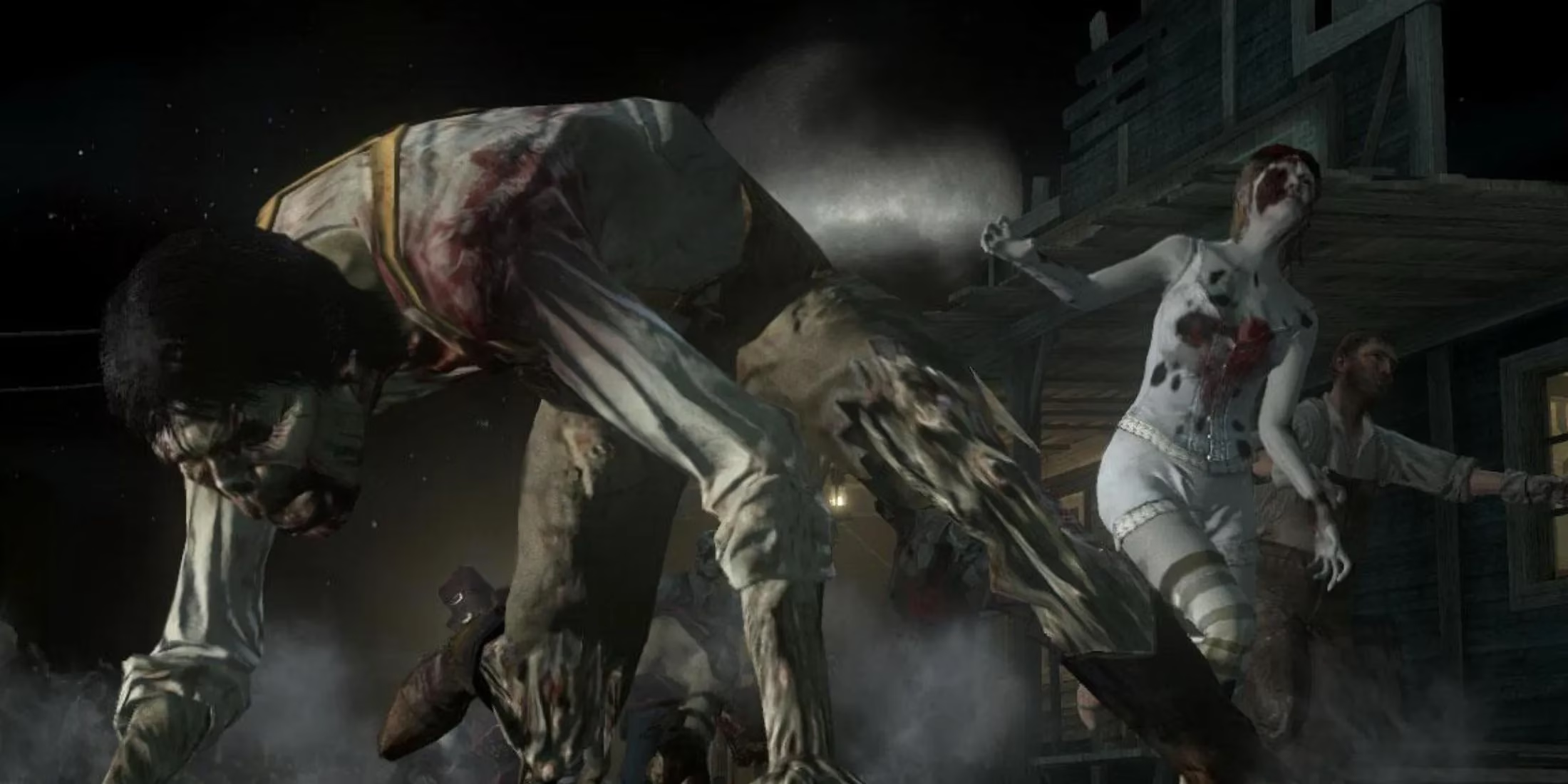
The concept for Z was, by all accounts, starkly ahead of its time. While the gaming landscape of the early 2000s was rich with innovation, the pervasive, melancholic tone of a true post-apocalyptic struggle was not yet the norm. Z was conceived as a bleak survival odyssey. Players would be cast into a ravaged world, their primary objectives being a grim ballet of resource scavenging—fuel being a precious commodity—and evasion from the ever-present zombie hordes. This was not the bombastic, action-heavy zombie fare of later years; this was a slow-burn nightmare focused on atmosphere and the crushing weight of solitude. Can a game be too authentic in its depiction of despair? For the developers at Rockstar North, the answer, tragically, became yes. The central reason for Z's cancellation was a profound and collective sense of melancholy that seeped from the project's very core. The developers, immersed in crafting this hopeless world, found its themes and overarching narrative to be overwhelmingly depressing. In an era before The Last of Us (2013) and Days Gone (2019) had codified the emotional weight of the genre, Z's unrelenting gloom proved to be its undoing.
Yet, the true genius and lasting intrigue of Z lie not just in its tone, but in its intended setting. The game was not destined for the familiar urban jungles of America, the typical backdrop for undead narratives. Instead, Rockstar planned to transplant the apocalypse to a foggy, dreary Scottish island. This singular choice promised to revolutionize the horror genre's geography. Imagine the haunting beauty and inherent gloom of the Scottish Highlands and isles—craggy cliffs, ancient ruins shrouded in mist, lonely lochs, and sprawling, rain-sodden moors—all serving as the stage for a desperate fight for survival. The setting itself would have been a character, its oppressive atmosphere doing as much to instill dread as the zombies themselves. What terrors might lurk in the peat bogs? What echoes of the past would resonate in a crumbling castle now inhabited by the shambling dead? This unique locale promised a mood and aesthetic wholly distinct from anything else in gaming at the time.
| Aspect of Z | Description | Why It Was Innovative (for early 2000s) |
|---|---|---|
| Core Gameplay | Open-world survival focusing on fuel/item collection and zombie evasion. | Predated the mainstream survival-crafting boom and emphasized tension over action. |
| Narrative Tone | Unrelentingly bleak and depressing, focusing on hopelessness. | Was a stark contrast to more campy or action-oriented zombie media of the era. |
| Setting | A foggy, remote Scottish island. | Broke the genre's American-centric mold, using environment as a primary source of horror. |
| Technical Base | Built using modified Vice City code for a new world. | Showcased Rockstar's early ambition to reuse tech for radically different experiences. |
The cancellation of Z, while a loss for horror enthusiasts, was not an endpoint for the creative energy that spawned it. The same team, perhaps liberated from the psychological weight of that gloomy island, channeled their efforts into their next project. That project would become Grand Theft Auto: San Andreas (2004), a landmark title that expanded the open-world formula to a staggering degree and remains a beloved cornerstone of the franchise. One cannot help but wonder: did the lessons of building a coherent, atmospheric world for Z somehow inform the sprawling, diverse states of San Andreas? The creative pipeline is seldom a straight line.
Rockstar would eventually return to the zombie genre, albeit with a vastly different approach. In 2010, the studio released Red Dead Redemption: Undead Nightmare, a standalone expansion that injected the gritty Western world with a supernatural, often darkly comedic zombie plague. While a critical and commercial success, Undead Nightmare's tone—a blend of horror, humor, and camp—stands in direct opposition to the pure, atmospheric dread envisioned for Z. This contrast highlights the road not taken. What if Rockstar had persevered? Would the studio's identity in 2026 include a legacy of profound, environmental horror titles alongside its satirical epics? The ghost of Z lingers as a fascinating 'what if,' a testament to a time when even the most successful developers dared to dream in shades of grey and green, imagining the end of the world not in a bustling city, but on a silent, misty shore in Scotland. Its story is a poignant reminder that in game development, sometimes the most haunting worlds are the ones we never get to explore.