When Leaks Steal the Story: Wuthering Waves and the Cost of Spoilers
Wuthering Waves leaks and spoilers expose how platform algorithms erode community trust and creator-player relationships.
In October 2024, the Wuthering Waves development team published an open letter to Rovers that described a problem familiar to many live-service games but rarely discussed so openly: unauthorized leaks were outpacing official communication. The letter explained that since the start of the Version 1.1 closed beta test, story cutscenes, storyboard drafts, character concept art, and even discarded environment assets had spread quickly across platforms. By 2026, the episode remains a useful case study in how spoilers, platform algorithms, and community trust interact. The team did not frame the issue as simple secrecy. It framed it as a break in the relationship between creators and players.
A Surprise Lost Before It Was Ready
The letter described a frustrating paradox. Many players wanted to avoid leaked content, yet platform algorithms kept pushing it into their feeds. The result was not harmless curiosity. Unverified material dulled the impact of official version updates, caused major spoilers, and undermined the experience the team had carefully crafted. The leak categories were varied, but their effect was consistent: they removed the moment of discovery from the hands of the creators and placed it in the middle of an uncontrolled information stream.
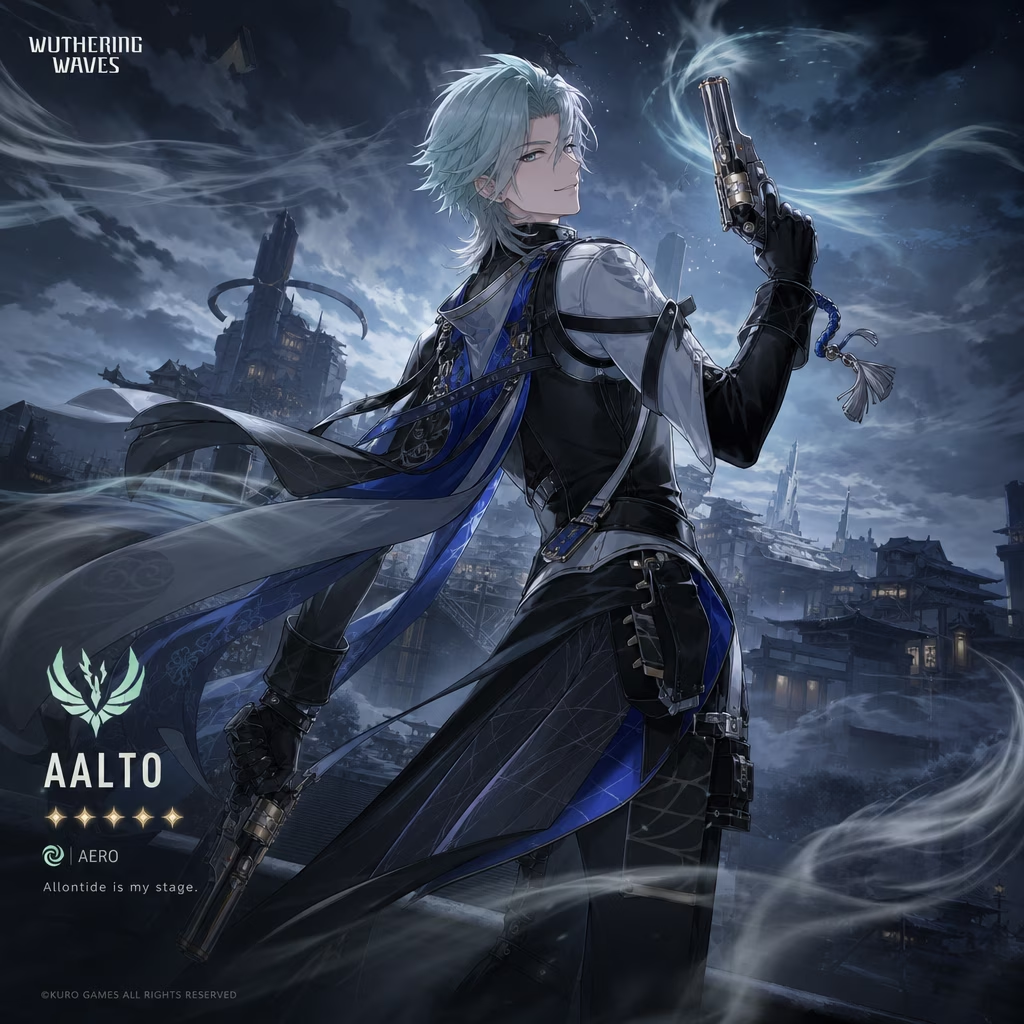
What is lost when discovery becomes an accident? The letter suggests that the loss is not only narrative surprise. It is also trust. A story cutscene, a character reveal, or a new environment is meant to arrive through a planned sequence. When that sequence is broken, players encounter fragments without context, and the team loses the chance to present its work as a complete artistic statement.
The Hidden Labor Behind Every Update
The open letter offered a rare view of production discipline. Developing a new version is meticulous and time-consuming. Character creation, for example, begins several versions ahead with user research, followed by months of design, development, testing, and fine-tuning. Before each update, the team conducts a closed beta test to ensure the final product meets player expectations. Promotion begins only when everything is ready, with methodically scheduled moments designed to provide the best experience.
| Stage | What the team does | Why leaks hurt |
|---|---|---|
| Research | Studies player expectations several versions ahead | Premature details distort feedback |
| Design | Develops characters, storyboards, and environments | Concept art leaks flatten context |
| Testing | Runs closed beta tests and fine-tunes systems | Unfinished assets look final |
| Promotion | Schedules reveals when content is ready | Spoilers steal the reveal moment |
This process is not bureaucracy for its own sake. It is a way to ensure consistent, polished releases that players and content creators can fully engage with. Leaks disrupt that process by taking away the element of surprise and by undermining team members who put their hearts into every detail. The letter made clear that leaks are not victimless shortcuts. They are interruptions in a chain of careful work.
From Condemnation to Consequences
The team had issued a statement against leaks the previous month and received widespread support from the community. That support mattered. Many leakers recognized the harm they were causing and ceased their activities. Yet with the launch of the Version 1.4 closed beta server, severe leaks of unreleased content returned. The pattern showed that condemnation alone was not enough.
In response, the team implemented stronger measures:
-
Reinforcing confidentiality in test servers.
-
Issuing formal warnings.
-
Collaborating with content-sharing platforms to remove unauthorized material.
-
Initiating legal proceedings against severe breaches of intellectual property.
-
Continuing to gather evidence against those who steal and distribute unreleased materials.
The letter stated that legal proceedings were progressing through the courts. It also said the team was prepared to take further legal action as needed. Can legal action alone restore surprise? Probably not. But it can establish boundaries. The combination of technical confidentiality, platform cooperation, formal warnings, and legal pressure forms a layered defense rather than a single gesture.
A New Area, A Shared Journey
At the time of the letter, Version 1.4 closed beta testing was on track and official marketing preparations were well underway. The team was also focused on its next major update: a brand-new area designed around player feedback since launch. The letter called this area a true co-creation between the developers and the community. In a way, it belonged to everyone.
That claim gives the anti-leak message a different tone. The team was not only protecting corporate assets. It was asking players to cherish a creative journey they had helped shape. The letter invited players to stand against leaks and to use a dedicated reporting channel when they encountered unauthorized material. It did not present players as suspects. It presented them as partners in protecting the world they love.
Why It Still Matters in 2026
By 2026, the lesson of the letter has only become more relevant. Live-service updates are now major content events, and leaks travel through recommendation systems faster than official campaigns can respond. The Wuthering Waves letter anticipated that environment. It treated spoilers as a structural problem involving platforms, leakers, legal boundaries, and community behavior. It also treated players as capable of choosing restraint.
If players are co-authors of a world, do they not also share responsibility for protecting its surprises? The letter's answer was clear. The team would defend its work through confidentiality, warnings, platform collaboration, and legal action. It would continue gathering evidence. It would also keep inviting the community to report leaks through the proper channel. In 2026, that mixture of enforcement and invitation remains a practical model for any developer trying to keep the story in the right hands: the hands of those who are ready to experience it as intended.